
Creating a Winter Olympics Unit Study in Your Homeschool

When winter starts to drag on and everyone’s a little restless, it’s the perfect time to lean into something timely, interesting, and naturally interdisciplinary: a Winter Olympics unit study.

This is one of those rare topics that works across age levels, invites hands-on learning, and somehow sneaks in history, geography, science, and character education without feeling like “extra school.” You can keep it simple, stretch it into a multi-week study, or let each child take a different angle depending on interest and ability.
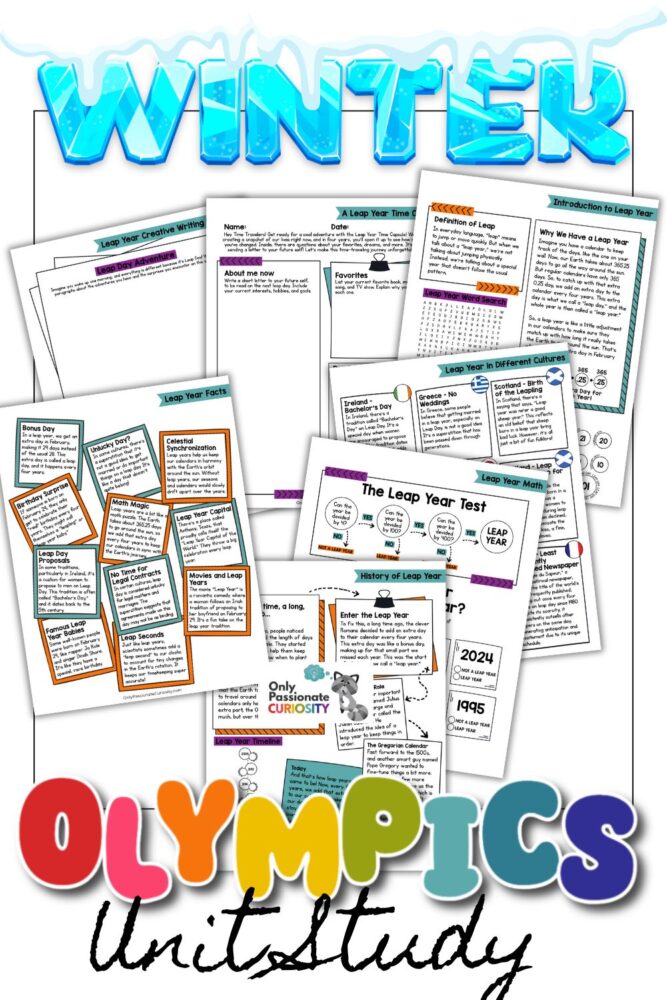
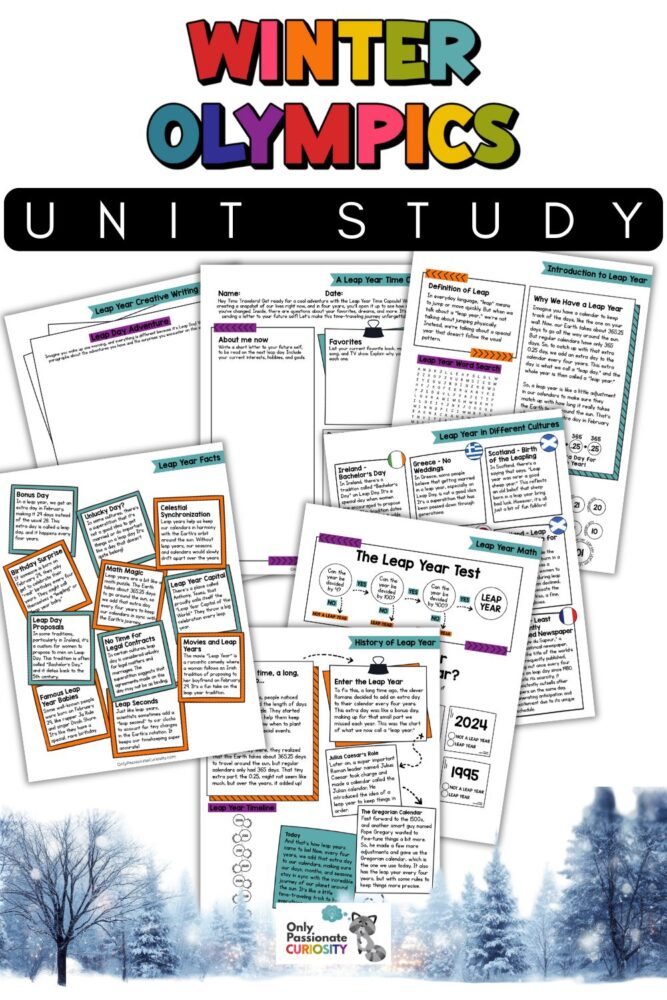
Here’s how to build a Winter Olympics unit study that actually works in a real homeschool. (And at the end of this post, we have a printable you can download for this unit study.)
1. Introduction to the Winter Olympics
Start with the big picture. Before diving into sports or athletes, help your kids understand what the Winter Olympics actually are and why they exist.
Cover the basics:
- What the Winter Olympics are and how they differ from the Summer Games
- A brief history of how the Winter Olympics began and how they’ve changed over time
- Why countries participate and why the Games matter globally
This is a great place for discussion rather than worksheets. Questions like Why do you think countries invest so much in the Olympics? or What skills do winter athletes need that summer athletes don’t? help kids start thinking critically right away.

2. Winter Olympic Sports
Kids usually have strong opinions about which sports are “cool” and which look terrifying. (And for some kids, the more terrifying, the cooler the sport, right?)
Explore:
- Alpine skiing, snowboarding, and freestyle skiing
- Ice hockey, figure skating, and speed skating
- Biathlon and cross-country skiing
- Bobsleigh, luge, and skeleton (always a crowd favorite)
- Curling (which inevitably leads to “Wait…that’s a sport?” conversations)
- Ski jumping
- An introduction to Paralympic Winter Sports
You don’t need to cover every sport in depth. Let each child choose one or two to research further. Younger students can focus on identifying equipment and basic rules, while older students can explore scoring systems, training requirements, or international competition.
3. Host Cities and Venues
The Winter Olympics are as much about place as they are about sport.
Use this section to:
- Study past host cities and memorable Olympic moments
- Look at Olympic villages, stadiums, and specialized venues
- Discuss how host countries influence the look, culture, and logistics of the Games
This ties in beautifully with geography. Pull out maps, compare climates, and talk about why certain regions are better suited to hosting winter sports.
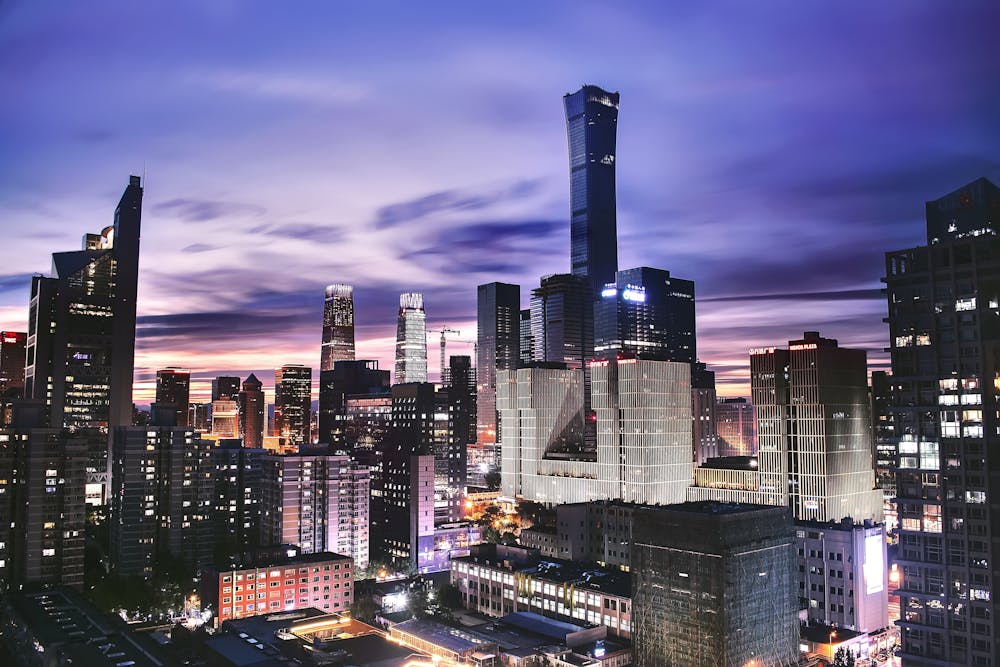
For example, the most recent city to host the Winter Olympics was Beijing, China, which hosted the 2022 Winter Olympic Games.
Beijing is notable for being the first city in the world to host both the Summer Olympics (2008) and the Winter Olympics (2022). Many events were held in purpose-built venues, while others reused or adapted existing Olympic infrastructure, which can be an interesting discussion point for students when talking about sustainability and long-term planning.
4. Olympians and Athlete Profiles
Behind every event is an athlete with a story—and those stories are often the most inspiring part of the unit.
Have students:
- Learn about iconic Winter Olympians
- Choose athletes from different countries and disciplines
- Explore stories of perseverance, setbacks, and long-term dedication
This is an excellent opportunity for reading comprehension, writing assignments, and oral presentations. Bonus: it naturally leads to discussions about goal-setting and resilience.
5. Olympic Values and Spirit
The Olympics are built on ideals that go beyond winning.
Explore concepts such as:
- Friendship, respect, and excellence
- Sportsmanship and fair play
- Cultural exchange and global unity
These discussions often resonate deeply, especially with older students. You can connect Olympic values to everyday life, sibling relationships, team sports, or even homeschool co-op dynamics.
6. Winter Olympic History and Traditions
This section adds depth and continuity.
Cover:
- The origins of the Winter Olympics
- The evolution of the torch relay
- Opening and closing ceremonies
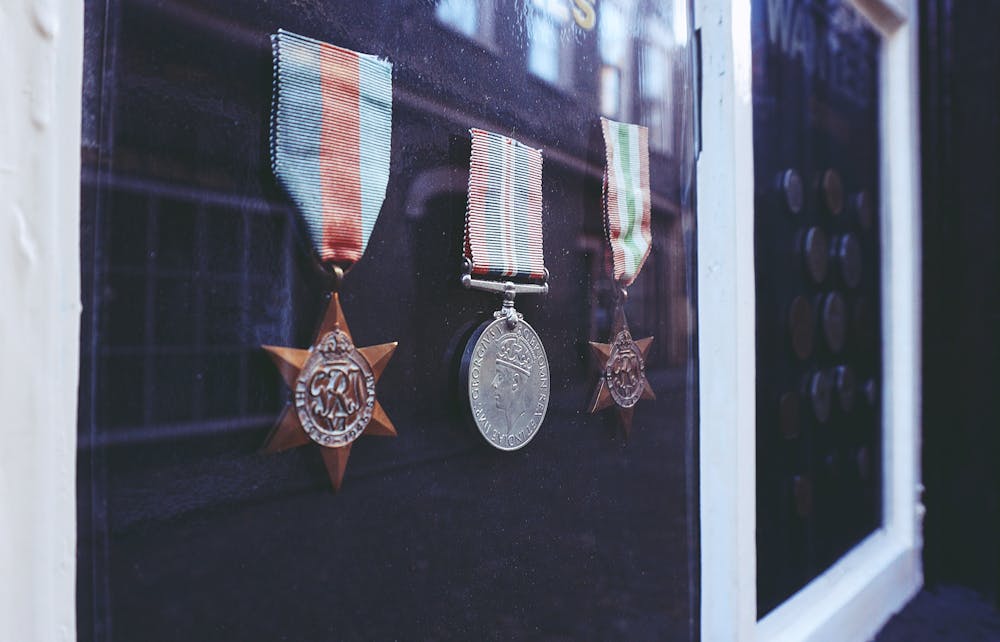
- Medal ceremonies
- The symbolism behind the Olympic flame and rings
Art-loving kids can recreate symbols or design their own medals, while history-focused students can track how traditions have changed over time.
7. Winter Olympic Geography
Geography plays a major role in winter sports.
Study:
- The geography of host regions
- How mountains, altitude, and climate affect training and performance
- Weather patterns and environmental challenges
This is a great way to reinforce map skills and introduce environmental science without it feeling abstract.
8. The Science of Winter Sports
If you have a science-minded child (or one who needs a reason to care about physics), this section is gold.
Explore:
- Physics concepts like friction, gravity, and momentum in skiing and snowboarding
- The engineering behind bobsleighs and luge sleds
- Biology and endurance in cold-weather sports
- Meteorology and how weather conditions impact competition
- Read a book about the Winter Olympics
You can keep this conceptual or go deeper with experiments and data analysis, depending on grade level.
9. Hands-On Activities and Projects
This is where the unit really comes alive.
Ideas include:
- Designing an original winter sport complete with rules and scoring
- Researching and presenting a chosen Olympic discipline
- Creating Olympic-themed art or crafts
- Hosting a mini Winter Olympics at home or with a co-op (no snow required—creativity encouraged)
Hands-on projects allow kids to demonstrate learning in ways that suit their strengths.
10. Field Trips and Guest Speakers
If possible, bring the unit into the real world.
Options might include:
- Virtual tours of Olympic venues
- Watching recorded Olympic events together
- Inviting a local athlete, coach, or winter sports enthusiast to share their experience
Even a short virtual connection can make the learning feel more tangible.
11. Assessment and Evaluation (Without the Stress)
Assessment doesn’t need to look like traditional tests—unless that works for your homeschool.
Consider:
- Short quizzes for key facts
- Project presentations
- Informal discussions and reflections
- Participation in activities and research
The goal is understanding and engagement, not perfection.
Download the Winter Olympics Study Printable here

Final Thoughts
A Winter Olympics unit study is one of those rare homeschool wins: flexible, educational, and genuinely interesting. You can scale it up or down, tailor it to multiple ages, and follow curiosity wherever it leads. Best of all, it reminds kids that learning doesn’t happen in isolated subjects—it’s all connected.
If winter is already here, you might as well make it educational.
Looking for More Unit Study Ideas?


Snowflake Crafts and Unit Study
And here are some more winter-themed Acivities, Ideas, and Resources