Make Unicorn Toothpaste with Your Kids!


If you’re looking for a hands-on science experiment that doubles as a “WOW” moment for your kids, unicorn toothpaste is a perfect pick. It’s colorful, sparkly, and just a little bit magical—while still teaching some real chemistry concepts. This activity is great for elementary-aged kids (with plenty of adult supervision) and is sure to leave them wide-eyed and asking, “Can we do it again?”

Supplies You’ll Need for the Unicorn Toothpaste
- ½ cup 12% hydrogen peroxide (find online or at hardware stores like Home Depot)
- ¼ cup warm water (not hot)
- 1 tablespoon activated yeast (one ¼ oz envelope works too)
- 1 tablespoon dish soap (Dawn works great)
- Food coloring (any colors you like—rainbow recommended!)
- Glitter (bonus points for pink and purple)
- Latex gloves
- Protective eyeglasses
- 1 plastic bottle (about 1 liter)
- 1 plastic tub or tray with sides (to contain the mess)
- A fork

Step-by-Step Directions
- Safety first. Have everyone put on gloves and safety glasses. Place the empty plastic bottle in the plastic tub—this reaction can get wild!
- Mix your magic potion. Pour the hydrogen peroxide into the bottle. Add dish soap, give the bottle a gentle swirl, and sprinkle in some glitter for sparkle.
- Add color. Drip a few drops of food coloring down the inside lip of the bottle. This will give your “toothpaste” streaks of color as it erupts.
- Activate the yeast. In a small cup, mix the yeast into the warm water with a fork. This wakes the yeast up and gets it ready to work.
- Unleash the unicorn! Slowly pour the yeast mixture into the bottle. Step back and watch as a foamy, glittery rainbow of “toothpaste” comes bubbling out!


The Science Behind the Magic
So what’s really happening here?
Hydrogen peroxide (H₂O₂) naturally breaks down into water and oxygen. Normally, this process happens slowly—but when you add yeast, things speed up! Yeast contains an enzyme (catalase) that acts as a catalyst, meaning it helps the hydrogen peroxide break apart much faster. The oxygen released gets trapped in the dish soap, creating tons of bubbles and foam.
In short: hydrogen peroxide + yeast = rapid oxygen release + foam party.
Why Call It Unicorn Toothpaste?
Because regular toothpaste doesn’t come in giant, glittery, rainbow-colored squirts! The reaction looks like a tube of toothpaste being squeezed out—except it’s big enough for a unicorn. (At least in our imaginations.)
Tips & Variations
- Hydrogen Peroxide Strength: 12% makes for the most dramatic eruption. You can use 3% or 6% (the kind from drugstores), but the foam won’t be quite as impressive.
- Color Play: Let your kids choose the food coloring—try layering different colors down the sides of the bottle for a tie-dye effect.
- Glitter-Free Version: If glitter makes you twitch (we get it!), you can skip it or substitute with biodegradable glitter or even sprinkles.
Learning Connections
This activity is a great jumping-off point for conversations about:
- Chemical reactions – What happens when two substances combine.
- Catalysts – How something can make a reaction happen faster without being used up.
- States of matter – Liquids (peroxide, water, soap), gases (oxygen), and how foam is a mixture of both.
You could even take it further by testing different concentrations of hydrogen peroxide, different soaps, or different temperatures of water for the yeast.
Wrapping It Up
Unicorn toothpaste is one of those experiments that feels a little like magic—but it’s actually science in action. It’s messy, it’s colorful, and it’s guaranteed to spark curiosity in your kids. Whether you’re doing it as part of a homeschool science unit, a weekend family project, or just because, it’s a fun way to remind kids that learning is exciting.
Looking for More Fun Experiments?

Magic Milk Lightbulb Experiment
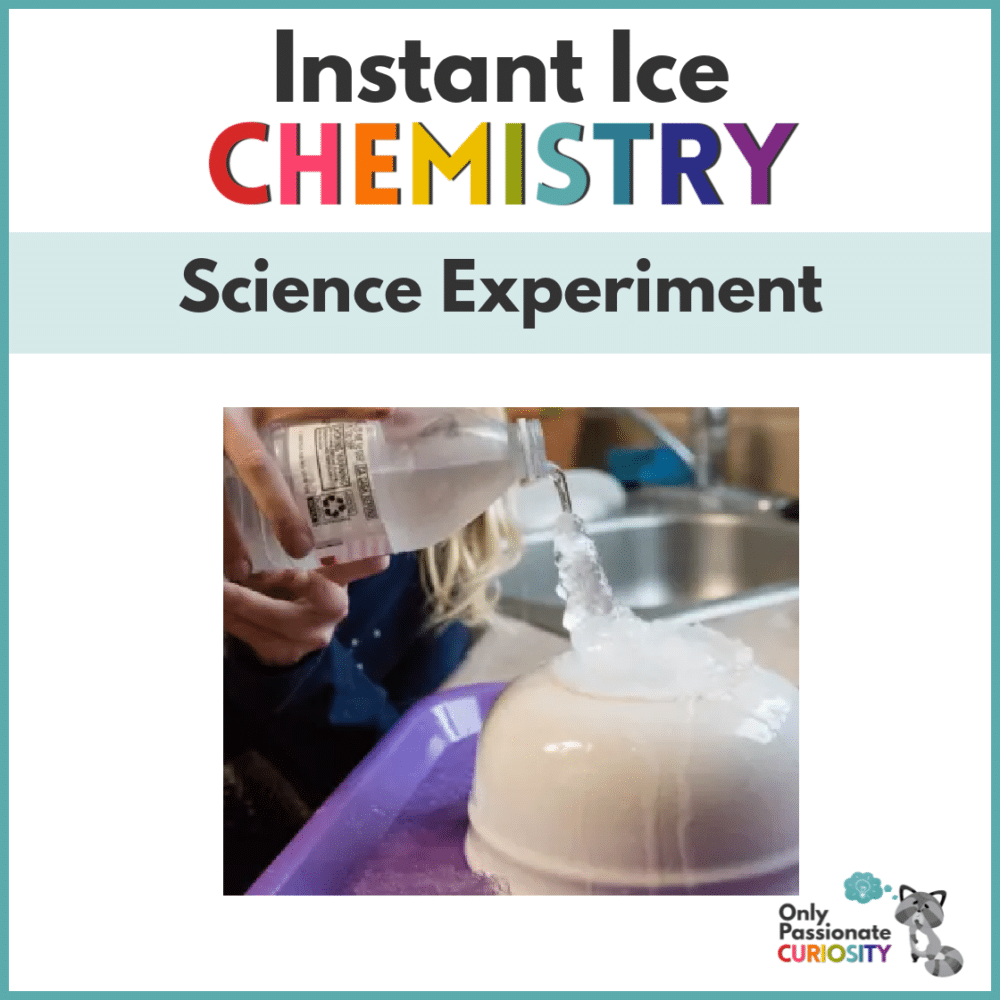
Instant Ice Chemistry Experiment