

Clay Bean Plant Life Cycle Craft


The bean plant is a fascinating example of how living things grow and change over time. In this project, we explore the life cycle of a bean plant using colorful clay models to represent each important stage. From a tiny seed to a thriving plant that produces more beans, the bean plant’s journey helps us understand the process of germination, growth, flowering, and seed production.
By creating hands-on models, we can see and touch each stage of the bean plant life cycle, making learning both fun and memorable.
Let’s get started!

List of Supplies for Clay Bean Plant Life Cycle:
- Cardstock paper.
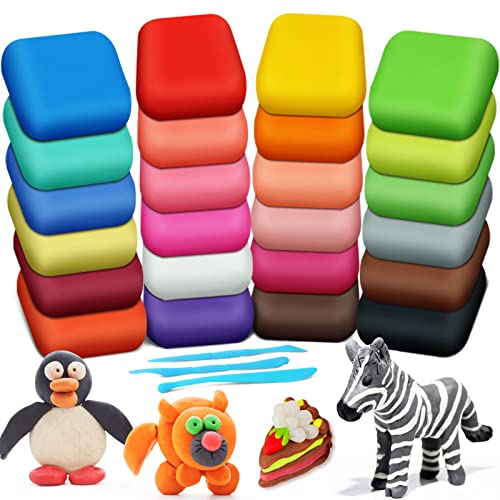
- Colorful foam clay.
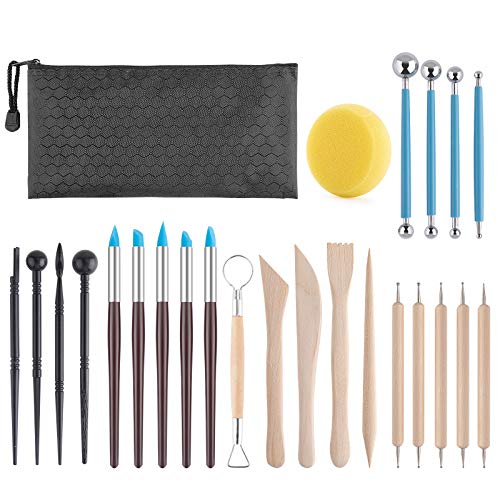
- Clay sculpting tool.
- Scissors.

Instructions for The Clay Bean Plant Life Cycle

Step 1
Take some rectangular paper for the card, blue, and brown clay.

Step 2
We’ll start with the blue clay. Place it on one side of the card.

Step 3
Spread out the clay with your fingers along the top half of the piece of paper.

Step 4
Press it against a smooth surface and then cut off the extra parts from the edge.

Step 5
Now do the same on the bottom half, using brown clay. Make six cards like this, which we will use as our base.

Step 6
Make a small sphere using light brown clay.

Step 7
Press the middle using your thumb and index finger, making a bean shape. Place it on the card. This is the first card indicating the life cycle of a bean plant.

Step 8
Now, take some white clay and roll it to make a string-like shape for the first sprout. Place this on the seed, as shown in the picture.

Step 9
Take some more white clay, and make a tear-drop shape. Then flatten the wide part.

Step 10
Take a tiny amount of clay and make very small strands. Attach the strands to the main body, to represent tiny roots.

Step 11
Take another card and repeat steps 6 and 7. Attach the root to the seed.

Step 12
Take some white clay and roll to make a string, then place it above the seed as shown.

Step 13
Using green clay, make a tiny sphere then pinch it at the two sides and flatten it to make a leaf shape. Place the leaf on the stem to make the whole shoot.

Step 14
Make a bunch of rope-shaped pieces or strands of different lengths and thicknesses using white clay.

Step 15
Attach them to each other to make the root of the plant.

Step 16
Make a small sphere with light brown clay and cover half of it with white clay.

Step 17
Place the root underneath the seed.

Step 18
With green clay, make a rope shape for the stem of the plant and place two leaves on the top.

Step 19
Repeat steps 14 and 15 to make the root for the next phase, and place it on the card.

Step 20
Take some green clay and roll to make the stem.

Step 21
Place leaves on the plant.

Step 22
Make some tiny spheres using red clays. Place 4 of the spheres together and a yellow one in the middle as shown in the picture to make a flower.

Step 23
Make a few more flowers and place them on the plant.

Step 24
Similarly, make another plant with roots and place it on a card. Take a darker shade of green and roll to make small sausage shapes.

Step 25
Make some more and place them on the plant.

Step 26
Align the 6 clay cards side by side to arrange the life cycle steps of the bean plant, from seed to full plant! And it’s done!

- Complete and Quality Material Package: the pottery tools kit comes as a comprehensive set of 12 polymer clay tools; The package includes 1 x wood rolling pin, 1 x wedging board for pottery, and 10 x rolling pin guides; The rolling pins are mainly made from sturdy and reliable wood; This complete set offers not only variety but also quality in terms of material employed, making them sturdy with a comfortable grip
- User Friendly Tools: these pottery tools are designed to be user friendly, allowing artists of all skill levels to create with confidence; Uncomplicated and straightforward, these pottery clay tools offer a smooth scrolling and shaping experience that open up broad possibilities for clay creations; Whether for expert potters or beginners, these tools bring efficiency and simplicity to your craft journey; Not easy to break or rust, reusable and long lasting
- Easy Handling and Compact Design: the pottery tools and supplies are compact and easy handling; With round edges and a sturdy built in handle on the clay wedging board, carrying and moving the tools around is incredibly convenient; Plus, the compact size means they take little space, making it ideal for small workshops or art classrooms; Place the rolling pin guides on either side of the clay, secure the clay, then roll the clay with the wooden rolling pin, and you’ll have a flat piece of clay
- Versatile and Extensive Size Range: the clay wedging board’s size is approx. 12 x 18 inches/ 30.5 x 45.7 cm, ideal for most clay works; Additionally, the pottery teaching rolling mud stick guide ranges in size from approx. 13.4 x 0.8 inches/ 34 x 2 cm (L x W), offering 5 distinct thickness options for more flexibility and precision during your pottery making; With the wood rolling pin about 17.7 inches/ 45 cm long, this versatile and extensive size range suits most of your pottery needs
- Variety of Applications: the polymer clay tools are ideal for a wide array of applications; The varying sizes and combinations, along with their ease of use, make them suitable for pottery classrooms, studios, DIY craft projects, and even professional pottery productions; These tools are versatile, catering to almost creative pottery needs you may have; With this toolkit, the creativity and expertise you can express through clay are virtually limitless
More Plant-Themed Crafts and Projects
If you enjoyed the clay bean plant craft and are in search of other projects that go well with this one, we’ve got you covered with these ideas.


Plant Science – Right in Your Kitchen